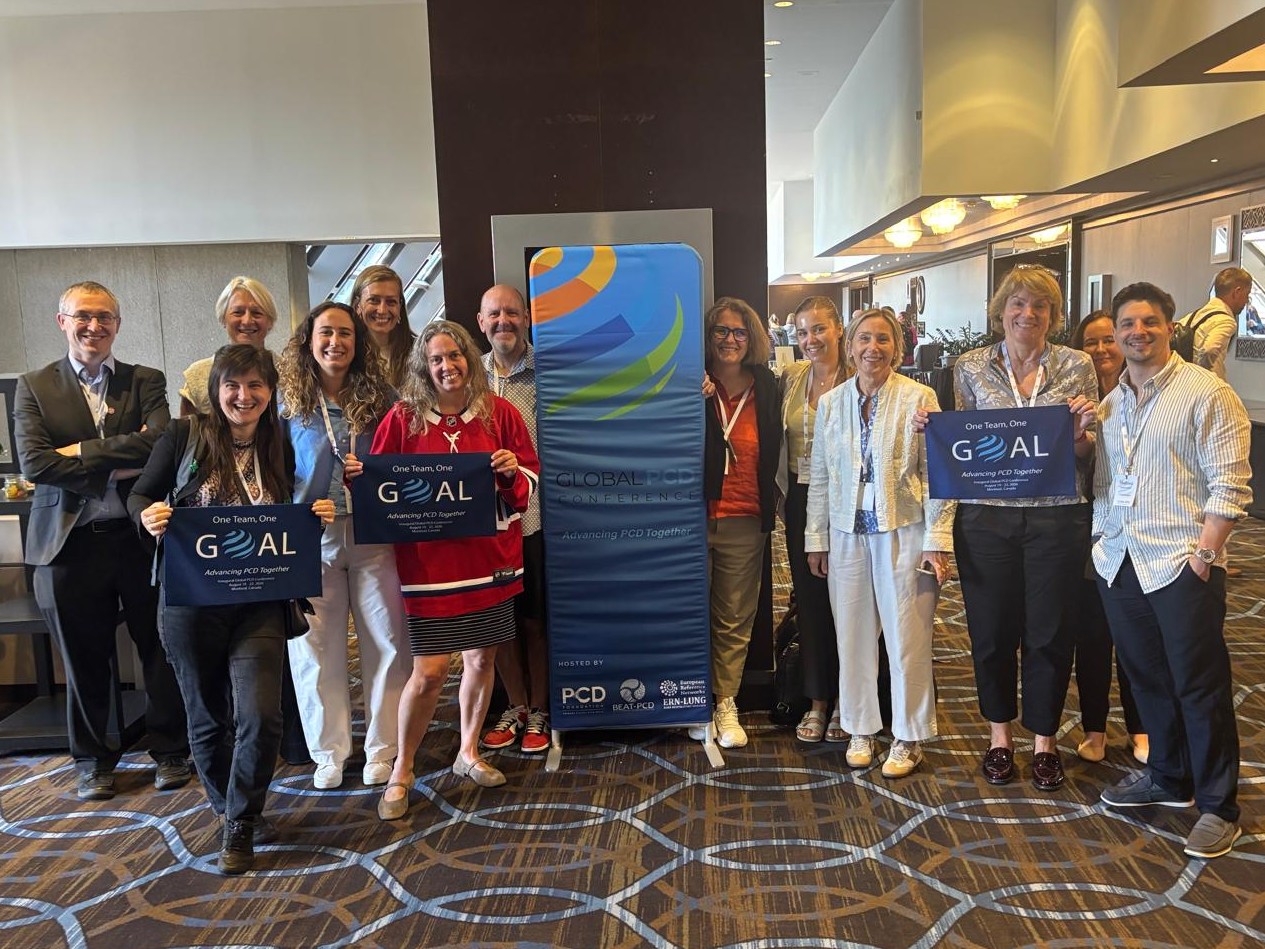
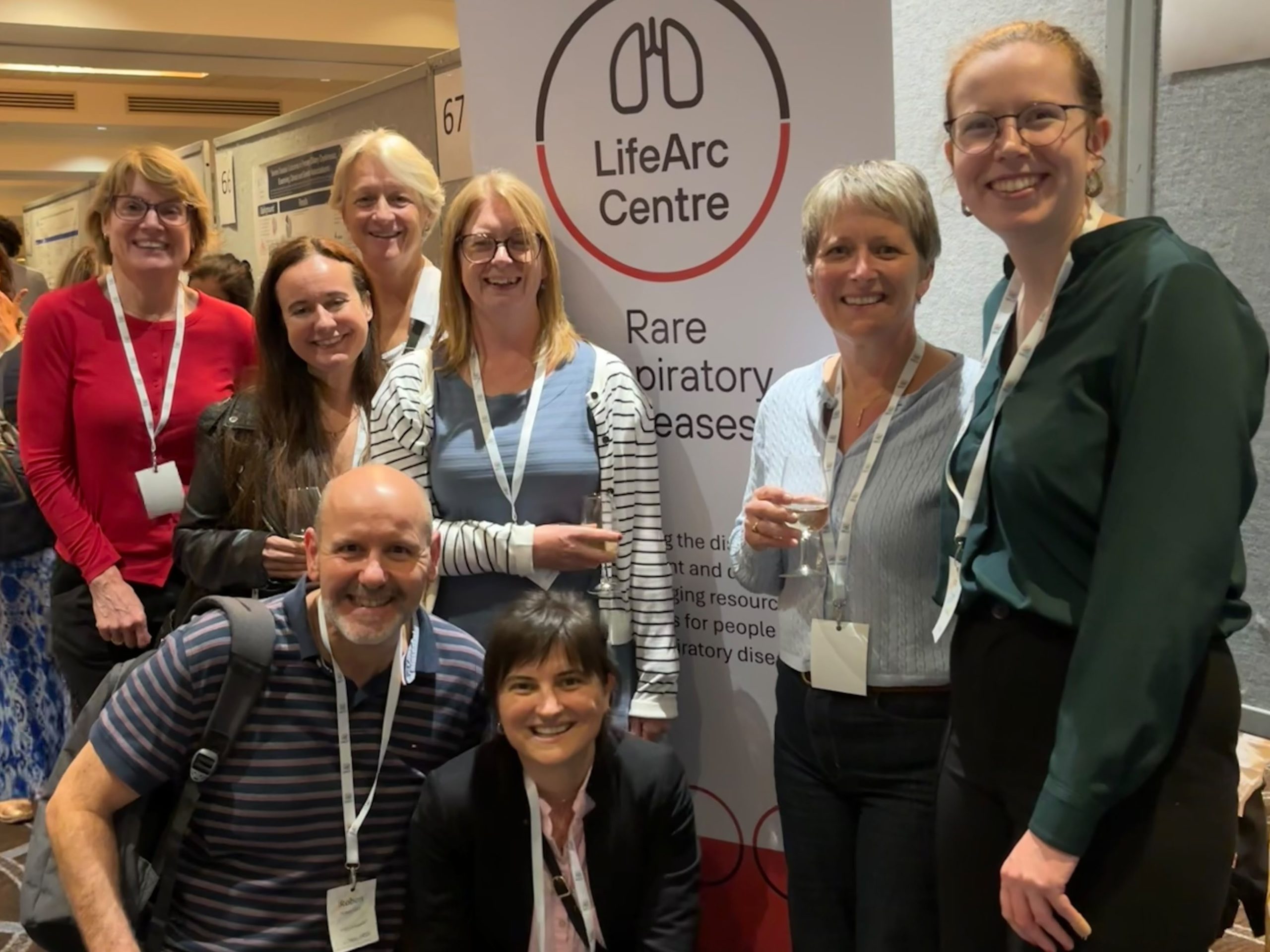
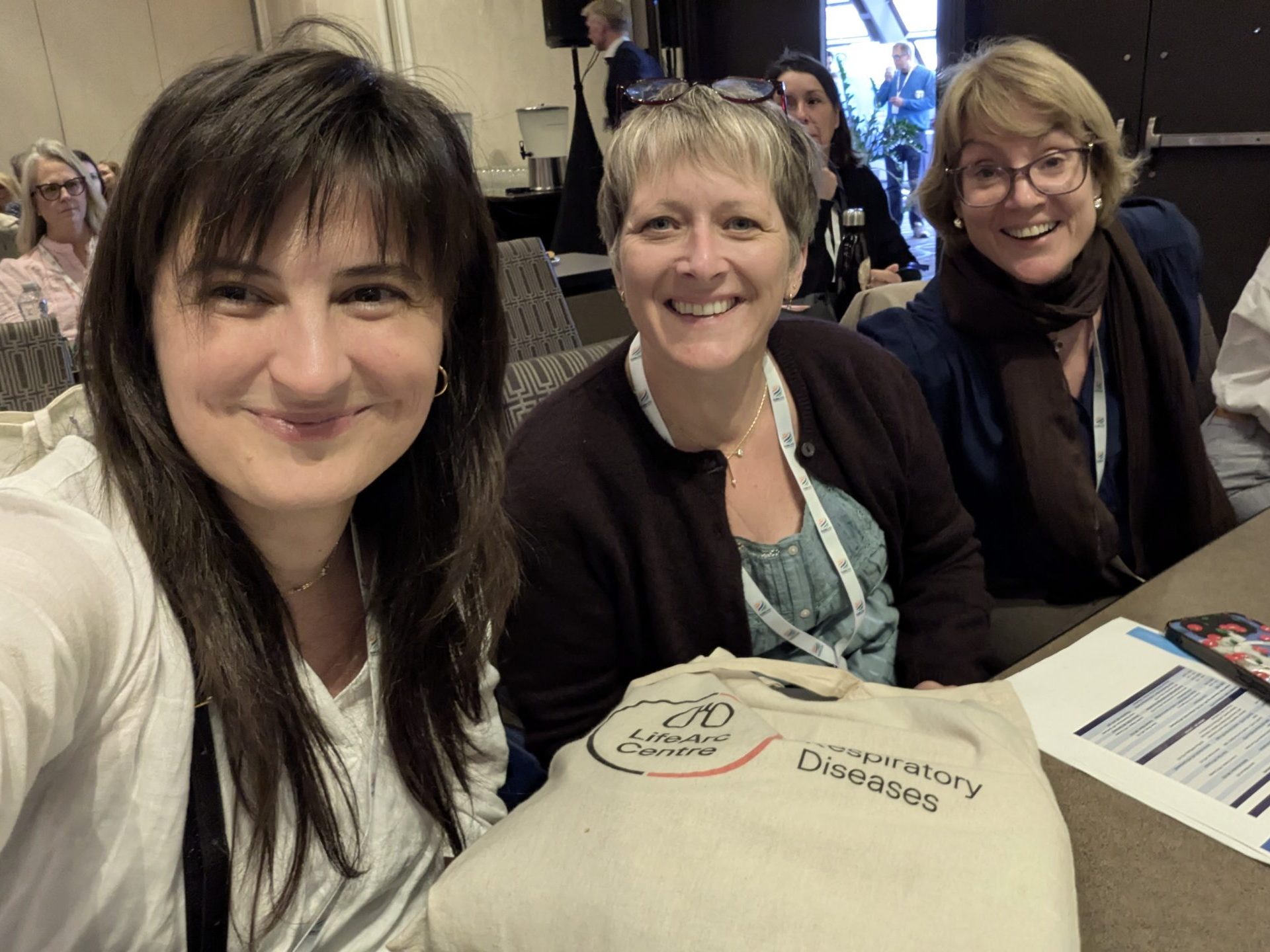
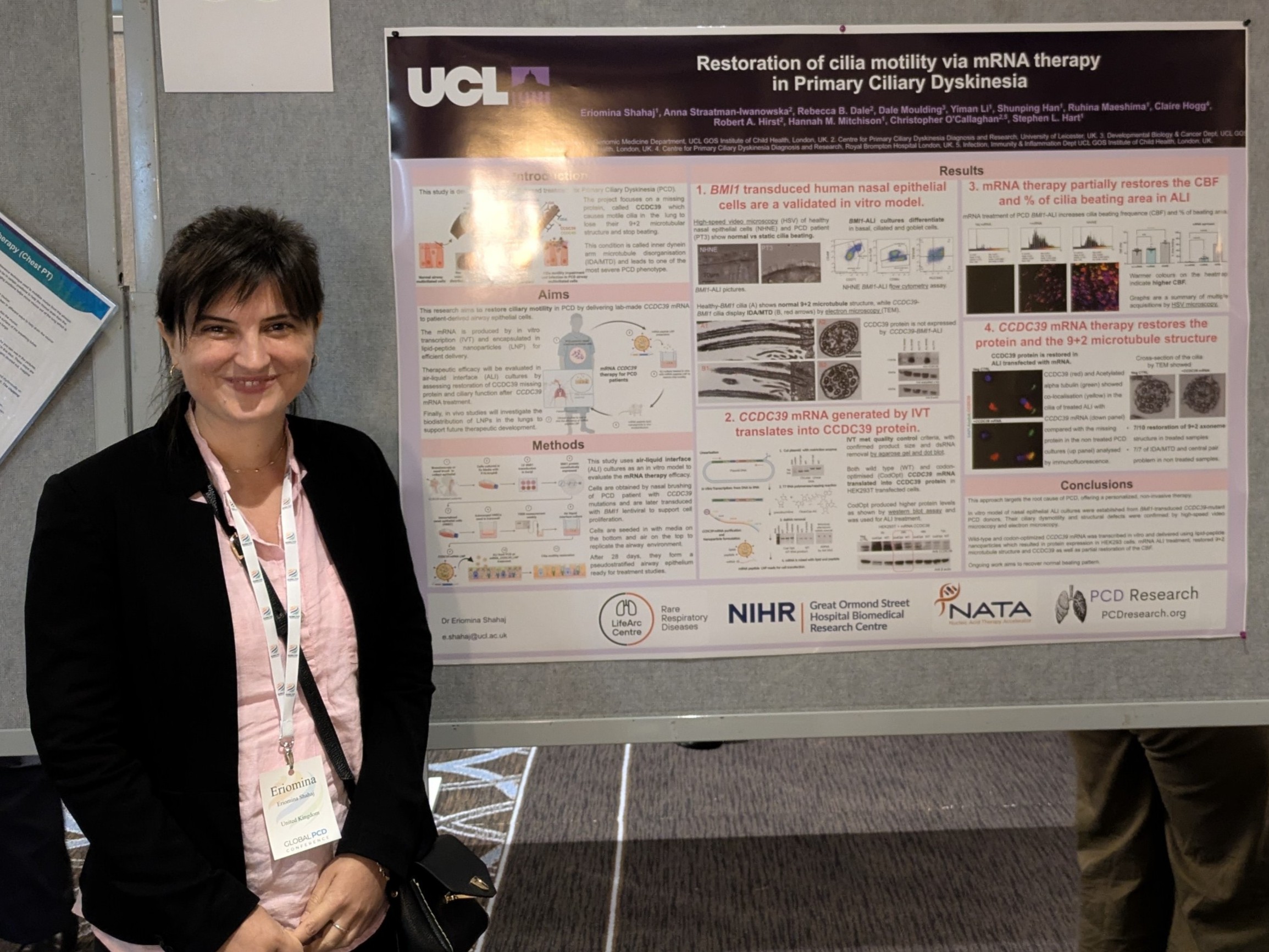
The inaugural Global PCD Conference brought together clinicians, researchers and patient organisations from across the world for the first time. Building on the foundations laid by the BEAT‑PCD network since 2015, this landmark meeting united BEAT‑PCD, the PCD Foundation, ERN‑LUNG, and national PCD associations in a single international forum, hosted in Montreal, Canada. The event showcased the rapid progress being made in PCD research and care, and highlighted the strength of global collaboration in this rare respiratory disease community.
Scientific programme
The scientific programme was wide‑ranging and exceptionally strong. Talks from colleagues across the LifeArc Translational Centres for Rare Respiratory Disease and the wider scientific advisory community covered key areas of emerging research:
- Advances in PCD research (Amelia Shoemark)
- Artificial intelligence in diagnostics (Claire Hogg)
- Overlap between motile and non‑motile ciliopathies (Pleasantine Mill)
- Inflammatory markers and clinical outcomes in PCD (Erin Cant)
- DDP1 inhibitors and therapeutic development (James Chalmers)
More than 100 posters were presented, reflecting the breadth of current activity in the field. Highlights included Hannah Mitchison’s work on Genetic initiatives to advance PCD diagnostic and mechanistic understanding and the award‑winning poster Restoration of cilia motility via mRNA therapy in PCD by Eriomina Shahaj.
Hannah co-chaired a ‘PCD Nuts & Bolts’ genetics session, together with international leads working on improving clinical trial-ready genetic diagnostics / patient ID.
The BEAT‑PCD network achievements were also showcased by Myrona Goutaki, demonstrating the productivity, cohesion, and impact of this international collaborative community.
“The most impactful moments of the conference came from the patients and parents who shared their lived experiences with the community. Their honesty, generosity, and insight offered a powerful reminder of the real‑world importance of advancing PCD research and improving care. Hearing from individuals such as the brilliant Lucy Dixon (PCD Support UK) brought clarity and urgency to the discussions, grounding the scientific programme in the realities faced by people living with PCD. It was also deeply meaningful to connect with representatives from Associação Brasileira de Discinesia Ciliar Primária – DCP Brasil and Asociación Nacional de Pacientes con Discinesia Ciliar Primaria DCP España/PCD Spain. These conversations highlighted the shared challenges and priorities across international patient communities, and reinforced the value of global collaboration in rare respiratory disease research.
A major strength of the meeting was the opportunity to reconnect with long‑standing collaborators and to build new partnerships. Meeting in person with colleagues from the BEAT‑PCD WP5 Clinical Outcome Measures group provided valuable space to discuss ongoing projects, refine future plans, and explore new avenues for collaboration across the wider network. These discussions will help shape the next phase of work within BEAT‑PCD and support the development of future initiatives across the international community.
I am sincerely grateful to the LifeArc Translational Centres for Rare Respiratory Disease for supporting my attendance. Their support made it possible for me to participate in this landmark event, contribute to ongoing collaborative efforts, and strengthen connections that will be essential for advancing PCD research in the years ahead.”
“I am incredibly grateful to the LifeArc Centre for Rare Respiratory Diseases for making it possible for me to attend the inaugural Global PCD Conference in Montreal. It was highly beneficial to connect with the international primary ciliary dyskinesia community and to learn from patients, clinicians and researchers from around the world.
A particularly impactful session was ‘PCD Around the World’; hearing directly from patients and international clinicians highlighted the stark global disparities in diagnosis, treatment and outcomes. It reinforced the urgent need for earlier diagnosis and novel treatments that can improve quality of life for people living with PCD. Patient testimonies were a powerful reminder that treatment burden must be considered from the earliest stages of novel therapy development, and that meaningful patient involvement is vital in shaping research priorities and clinical study design.
I was delighted to be able to contribute to an international expert discussion group working towards a global statement on the use of high-speed video microscopy in PCD diagnosis. The group aims to publish standardised guidelines for a technique immensely valuable for initial PCD diagnosis, cell model characterisation and assessment of cilia function restoration as an endpoint for novel treatment trials.
There were many fantastic presentations from a diverse range of PCD researchers; I was particularly interested to learn about the use of ciliary transport analysis to diagnose PCD with subtle ciliary beat pattern abnormalities, and how PCD gene-specific alterations in mucins may provide a novel therapeutic target for PCD. I look forward to sharing my experiences with colleagues in Southampton and applying what I have learned to our ongoing work to improve PCD diagnosis and create cellular models of the disease.”
“More than 100 patients attended the conference and I was deeply touched to meet them and learn more about their experiences of living with PCD. The voice of patients and their families, especially the parents of children with PCD, came through loud and clear. I already do my best with my work but these encounters and the emotional aspect of this conference has given me extra motivation to continue to give this research my all.
Six poster prizes were awarded during the conference – three for clinical research and three for pre-clinical research. I was delighted to win a pre-clinical research prize for my poster entitled “Restoration of cilia motility via mRNA therapy in Primary Ciliary Dyskinesia”. It was wonderful to be able to share and discuss the Centre’s research projects with patients, doctors and researchers from all over the world. Their encouraging words and support and the hope that I saw in patients’ eyes was the best prize I could wish for. My thanks to the LifeArc Centre for Rare Respiratory Diseases for giving me this unique opportunity.”
“I was invited to share my research on ‘Inflammatory markers and clinical outcomes in PCD’ at the inaugural Global Primary Ciliary Dyskinesia (PCD) conference and gave an oral presentation in the session ‘Benchmarking Outcomes for Clinical Trials’. This gave me the opportunity to discuss work that I have being carrying out through the Rare Respiratory Disease centre. I am very grateful to the LifeArc Translational Centre for Rare Respiratory Diseases for supporting me attending the conference.
One of the key highlights of the conference was how the patients representatives and their families were integrated into the sessions; not only where they given the opportunity to share their experiences on living with PCD but also every speaker included a lay summary slide in their presentation so the patients could be fully involved in the conference and the discussions. It was moving to hearing some of the patient perspectives including a great talk by Lucy Dixon (PCD Support UK Chair and LifeArc LEAP member) and I felt privileged that they shared such personal stories.
I also believe it was incredible that so many leading experts in the field (including clinicians, scientists and health professionals) were all in the same room which created stimulating discussions, invaluable networking and collaborations. I think it was particularly relevant to myself as I could learn from others about their research and practice and think about how I can implement this in my own work with setting up the LifeArc national PCD biobank. These relationships with the international community could be beneficial towards the sustainability of the centre. This was a very special opportunity as PCD is a rare genetic condition and international collaboration is essential for the community to further our knowledge and understanding of the different genotype-phenotype relationships and in the future lead us to the development of therapies for PCD.
A key theme of the conference was diagnosing PCD and the importance of a diagnosis including topics such as the different methods and limitations. It was interesting to hear the perspectives of the different diagnosis methods around the world and I took part in a discussion of developing a global statement on the use of high-speed video microscopy in PCD diagnosis. By having the international community all in one place I believe this event has been crucial in uniting all aspects of PCD from diagnosis, managing treatments to the basic science which will hopefully lead us to novel therapies being approved.”