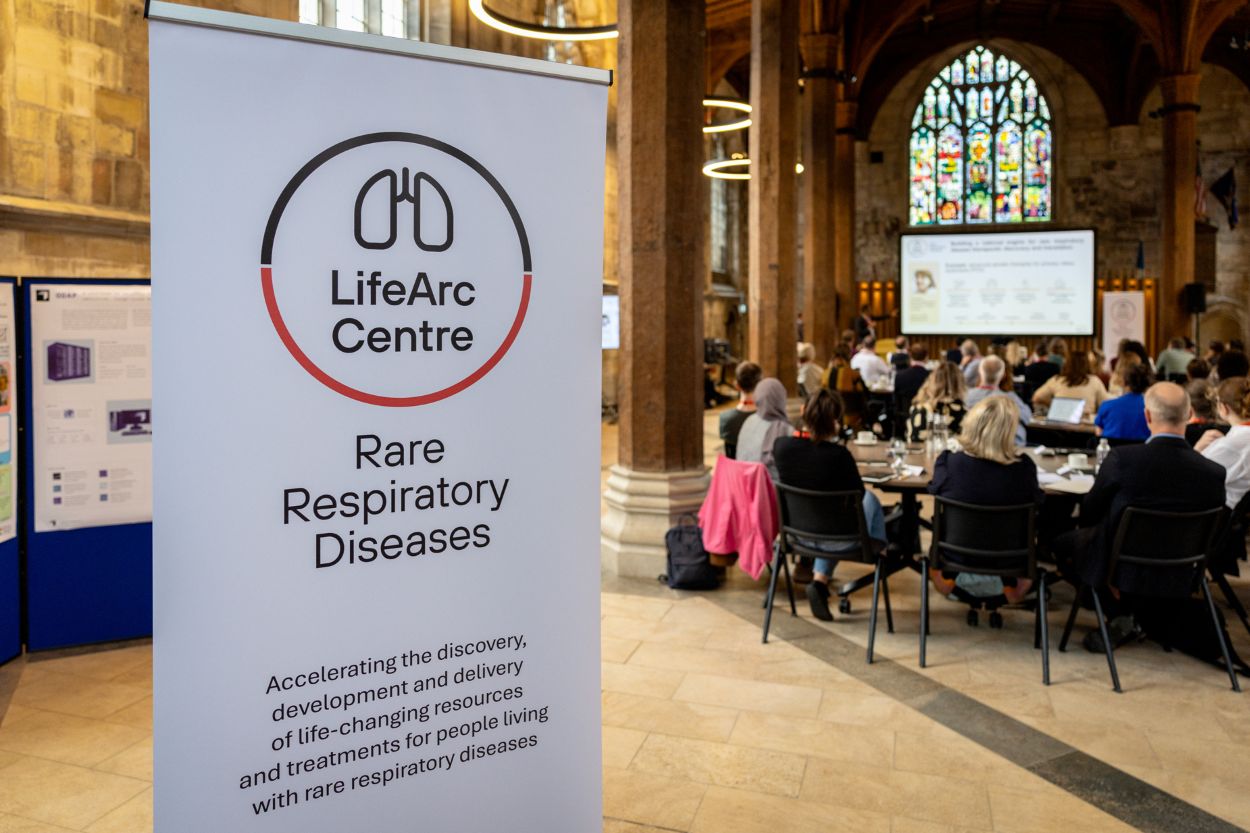
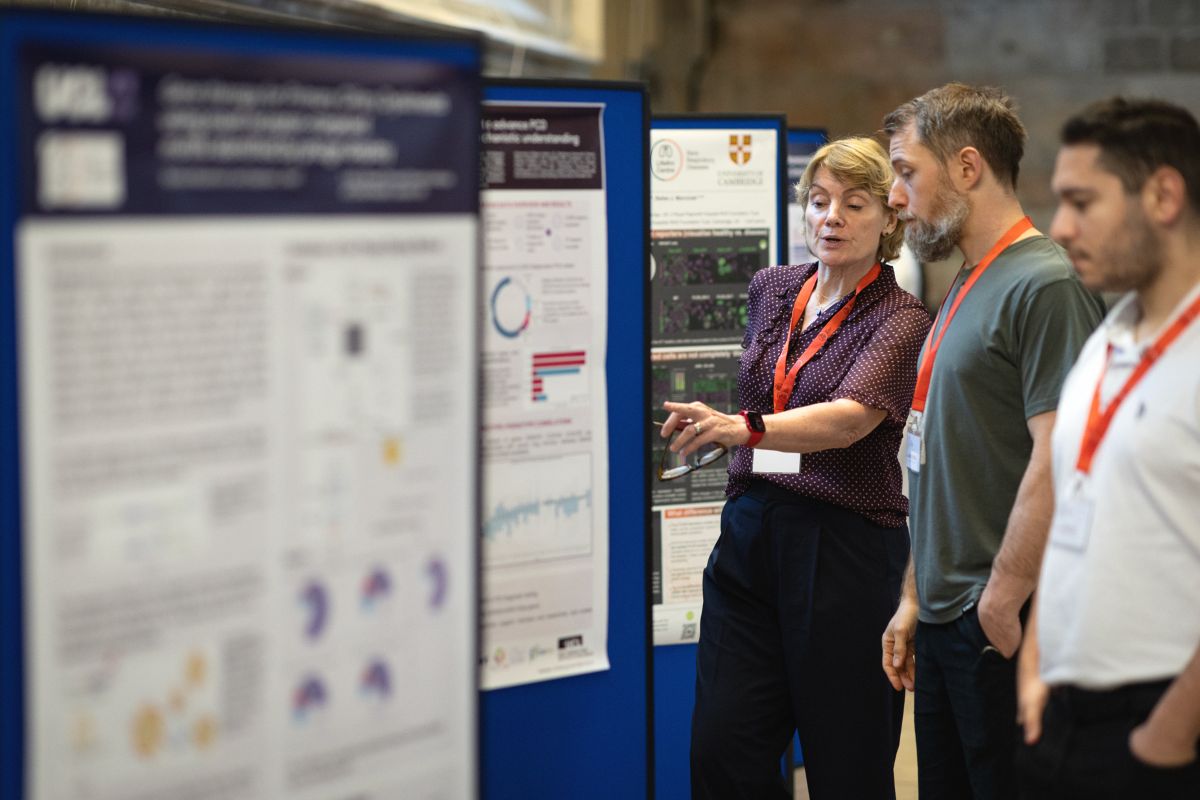
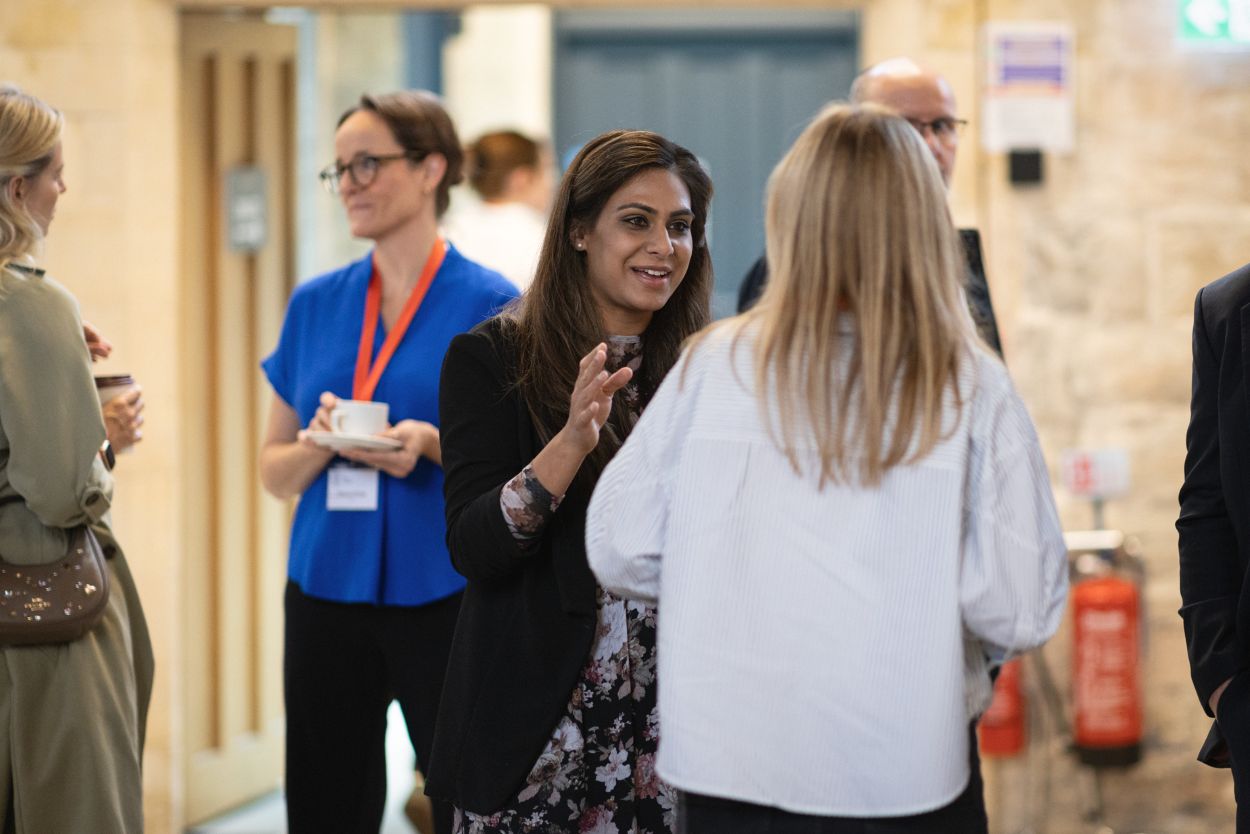
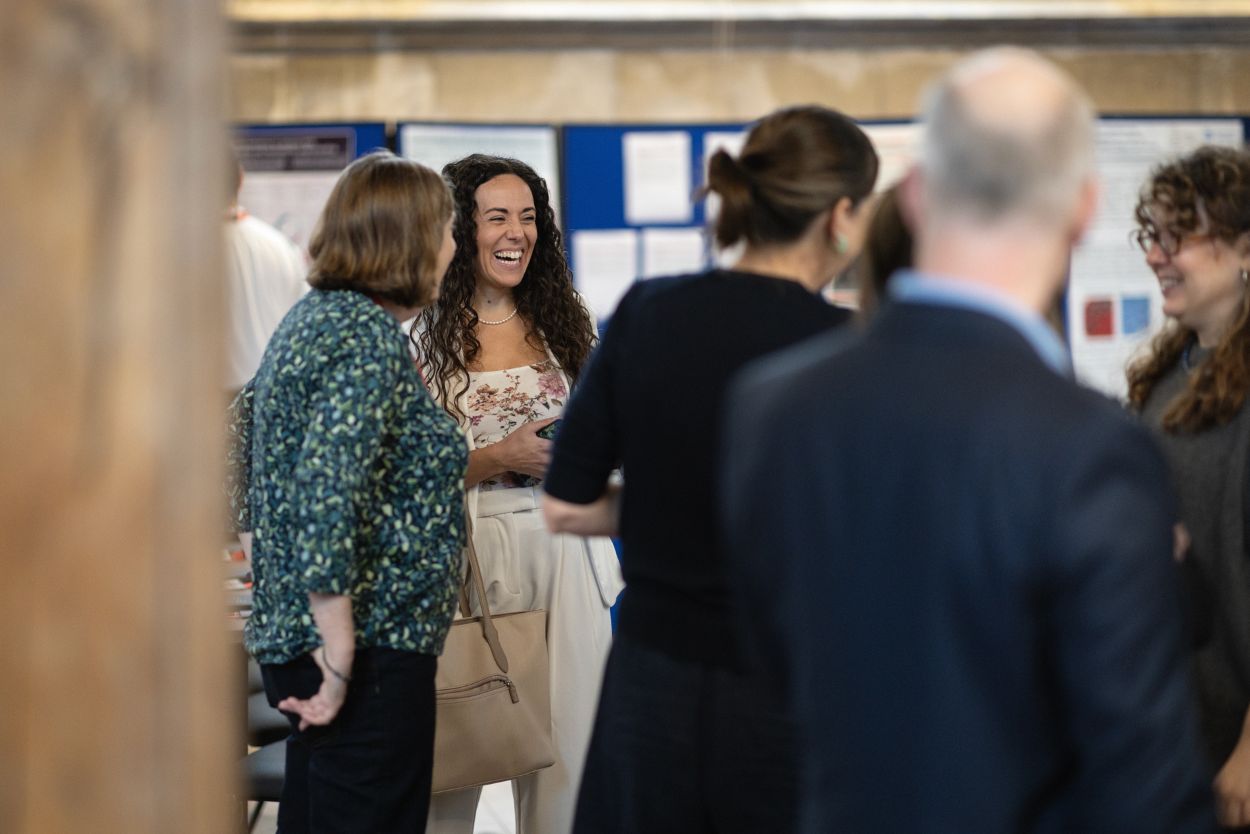
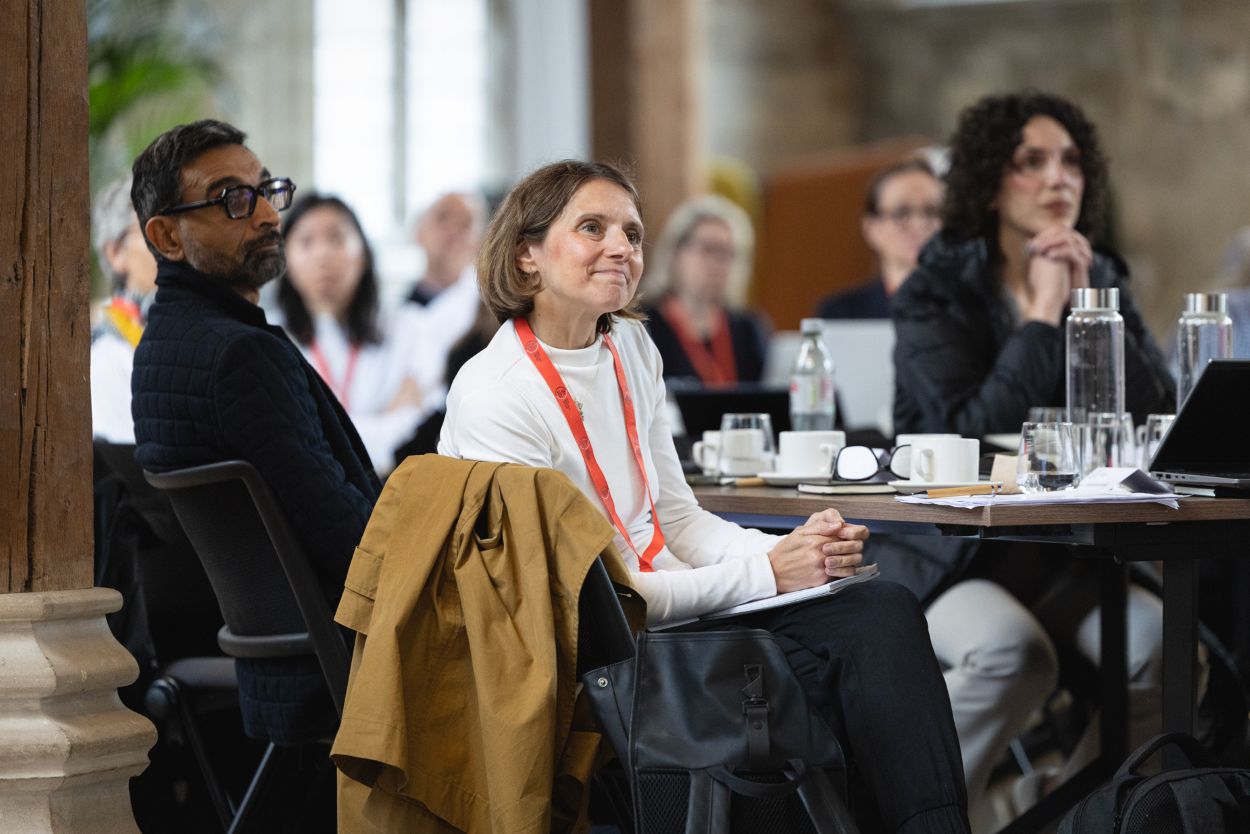
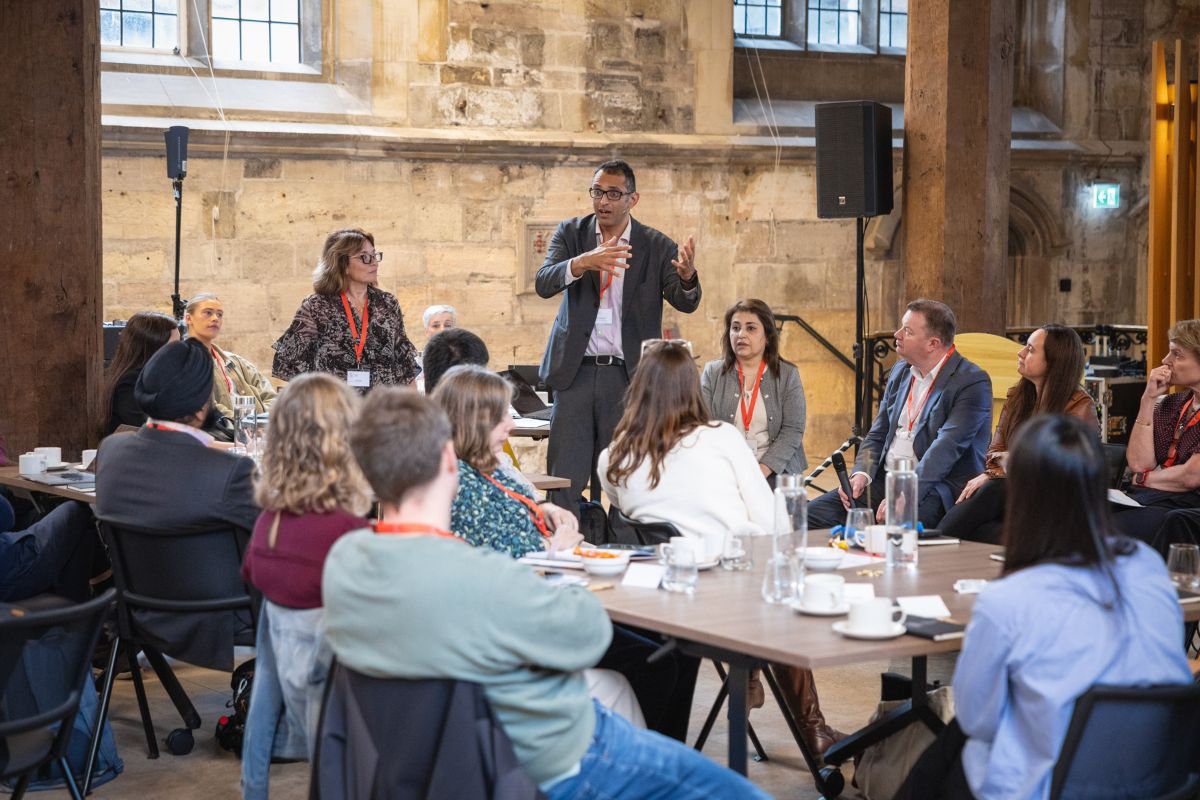
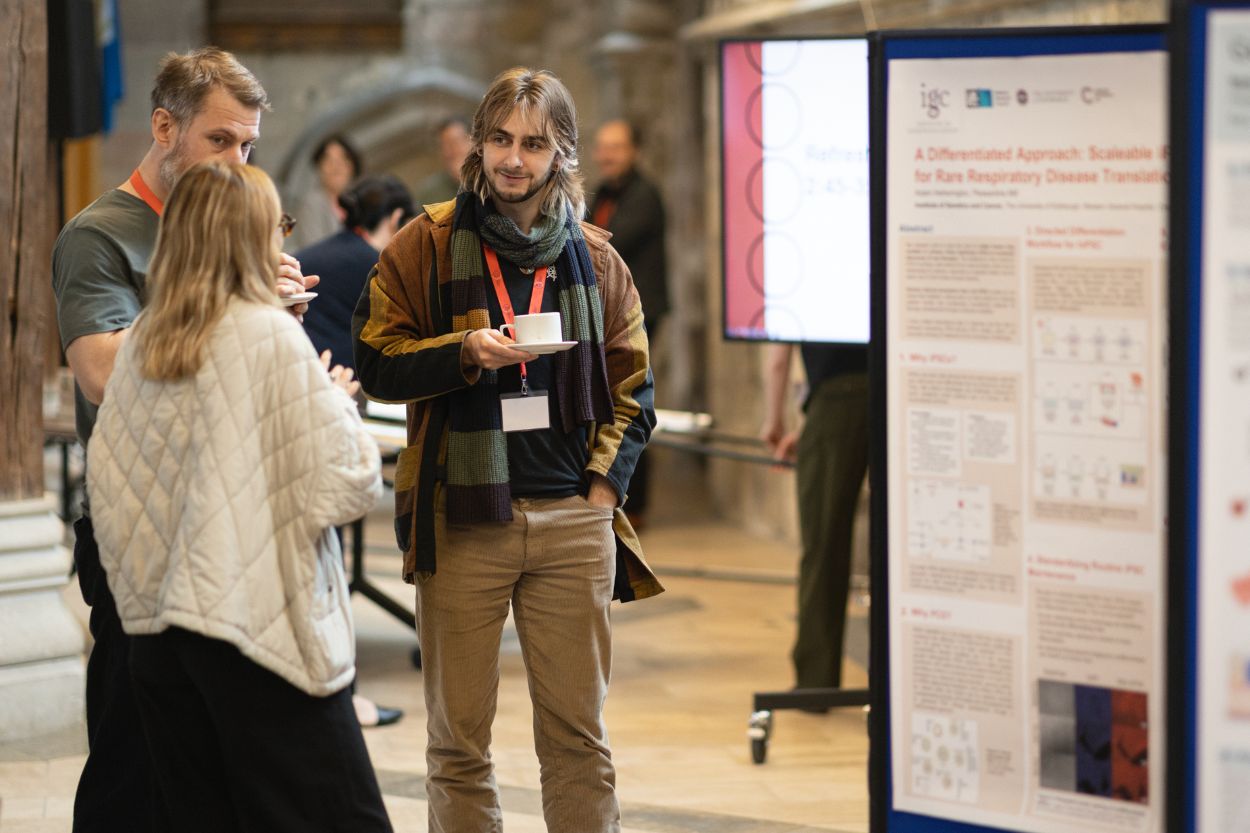
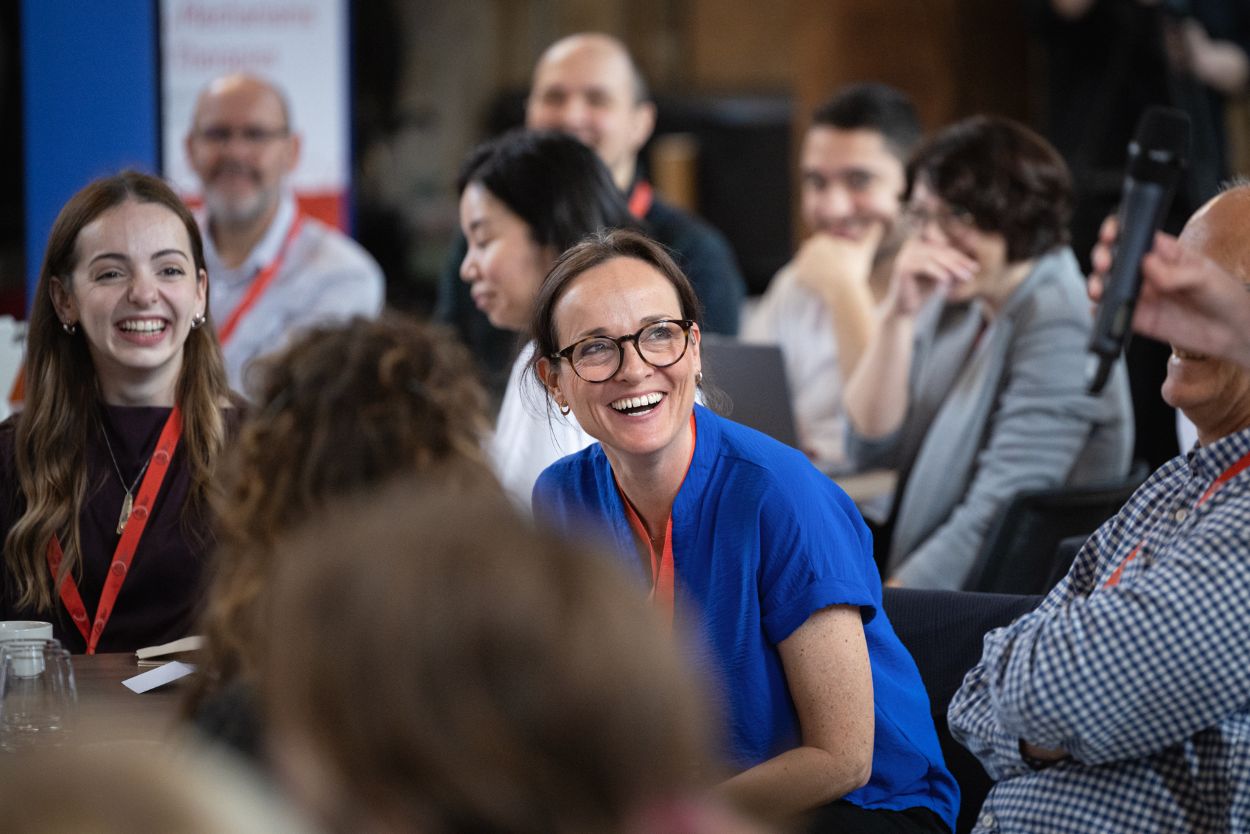
Researchers, clinicians, patients and partners from across the Centre came together on 6 October for a day of scientific exchange, collaboration and discussion. Our theme for the day — Models, Mechanisms and Therapies — was chosen to reflect our commitment to connecting discovery science to patient benefit. In the magnificent surroundings of the York Guildhall, we showcased scientific progress to date across the Centre, highlighted emerging therapeutic opportunities, explored the infrastructure needed to support future translational research, and identified priorities for the next phase of our development. Here are some of the highlights.
Speeding up the translation pathway
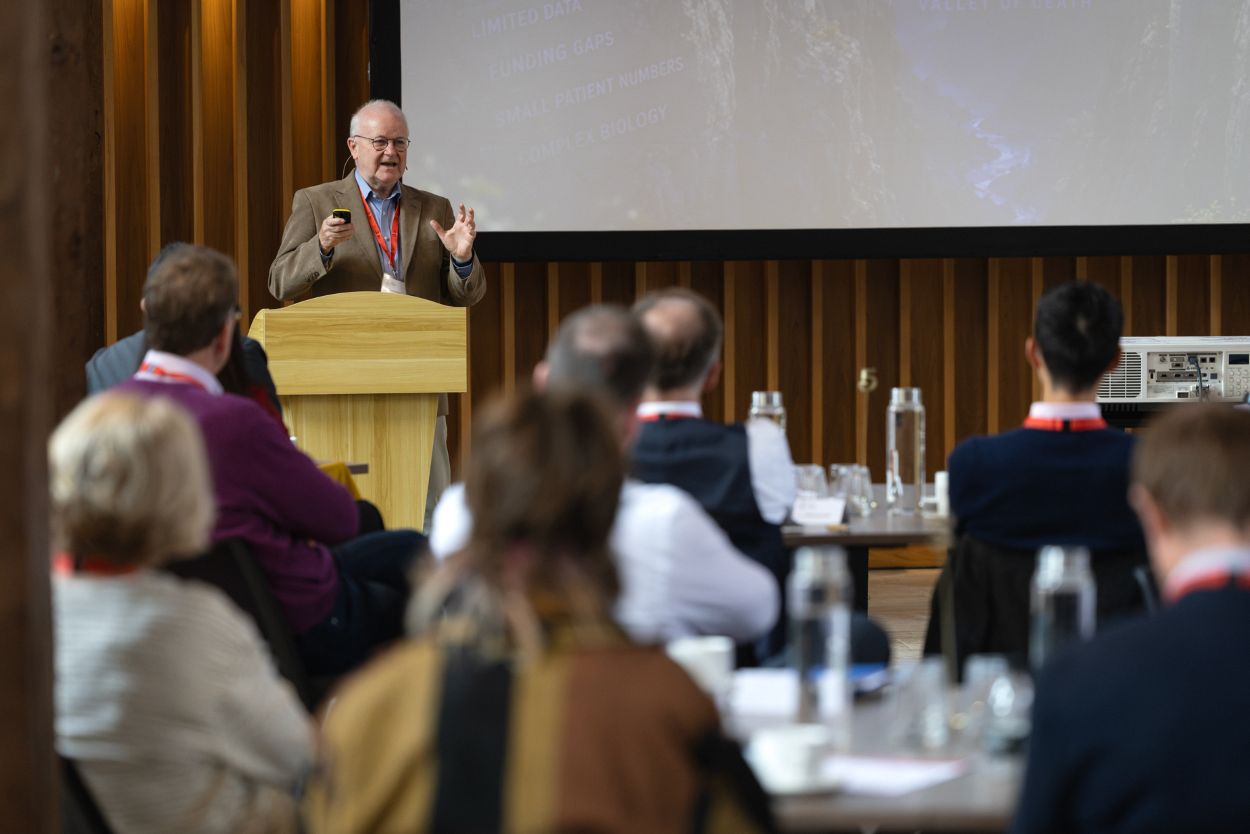
Keynote speaker Prof. Stuart Elborn, Chair of Respiratory Disease at LifeArc, was a driving force in the development and delivery of effective therapies for cystic fibrosis. He set the tone for the day by highlighting the importance of getting treatments to patients with rare conditions as well as the significant challenges that must be overcome along the way.
Stuart emphasised the need to reflect the realities of drug translation, especially the financial realities, from the earliest developmental phases to maximise the chances of successful, swift and safe delivery. He also explored different possible points of failure, from candidate selection to regulatory approval, and explained how they could be mitigated. It was both heartening and informative to hear him set out how the rare respiratory translation pathway could be transformed to maximise speed and patient benefit.
Bradley Price, Chair of our Lived Experience Advisory Panel, echoed Stuart’s call to action. He highlighted the challenges faced by patients with rare respiratory conditions and urged the Centre to maintain and expand its efforts to bring patients and resources together to shape projects and drive collaboration.
Progress in modelling and asset development
Six of our mid- and early-career researchers (MECRs) presented their work to develop accurate models of our target diseases and identify therapies that have the potential to treat or cure patients:
• In vitro models of familial pulmonary fibrosis (FPF) for high-throughput drug screening – Dr Sara Cuevas Ocaña
• CRISPR-based strategies for cell modelling primary ciliary dyskinesia; leveraging use of an airway cell line and research consented patients’ nasal biopsy samples from a Southampton PCD bioresource – Dr Melanie Smith
• Lymphangioleiomyomatosis (LAM) model development and outcome measures – Dr Roya Babaei-Jadidi
• Mapping challenges in the delivery of care for primary ciliary dyskinesia (PCD), an international survey on barriers and priorities – Dr Bruna Rubbo
• Samuraciclib as a treatment for lymphangioleiomyomatosis (LAM) – Dr Debbie Clements
• Restoration of cilia motility via mRNA therapy in primary ciliary dyskinesia – Dr Eriomina Shahaj
These engaging presentations took the audience on a journey from mechanisms and models through to potential therapies, clearly explaining the relationship between basic research and patient benefit. We look forward to sharing more information about these projects as they develop.
The audience also heard encouraging updates from the three other LifeArc Translational Centres for Rare Disease about the work they are doing and opportunities to share insights and expertise.
Bringing people together around national resources
Our biobank and registry work package is foundational for translation. Dr Nik Hirani and Prof. Amelia Shoemark provided a progress update, emphasising their work to ensure this resource supports existing national clinical pathways and infrastructure, is inclusive, enables global integration for rare respiratory diseases, and brings diverse data sets together in a trusted research environment (TRE).
Prof. Kev Dhaliwal then took us on a deep dive into data. His presentation focused on a powerful, accessible TRE platform at the University of Edinburgh that enables researchers to perform advanced analysis and integrate biological data with genomics and imaging, all within a flexible, scalable, controlled and highly secure environment. During the lively discussion that followed, the audience welcomed the biobank and registry’s potential to improve the characterisation and stratification of patients and speed up data collection, analysis, trials and asset screening. Patient involvement, particularly in the design of governance and recruitment frameworks, will be key to ensuring the long-term success and impact of these resources.
Building future sustainability
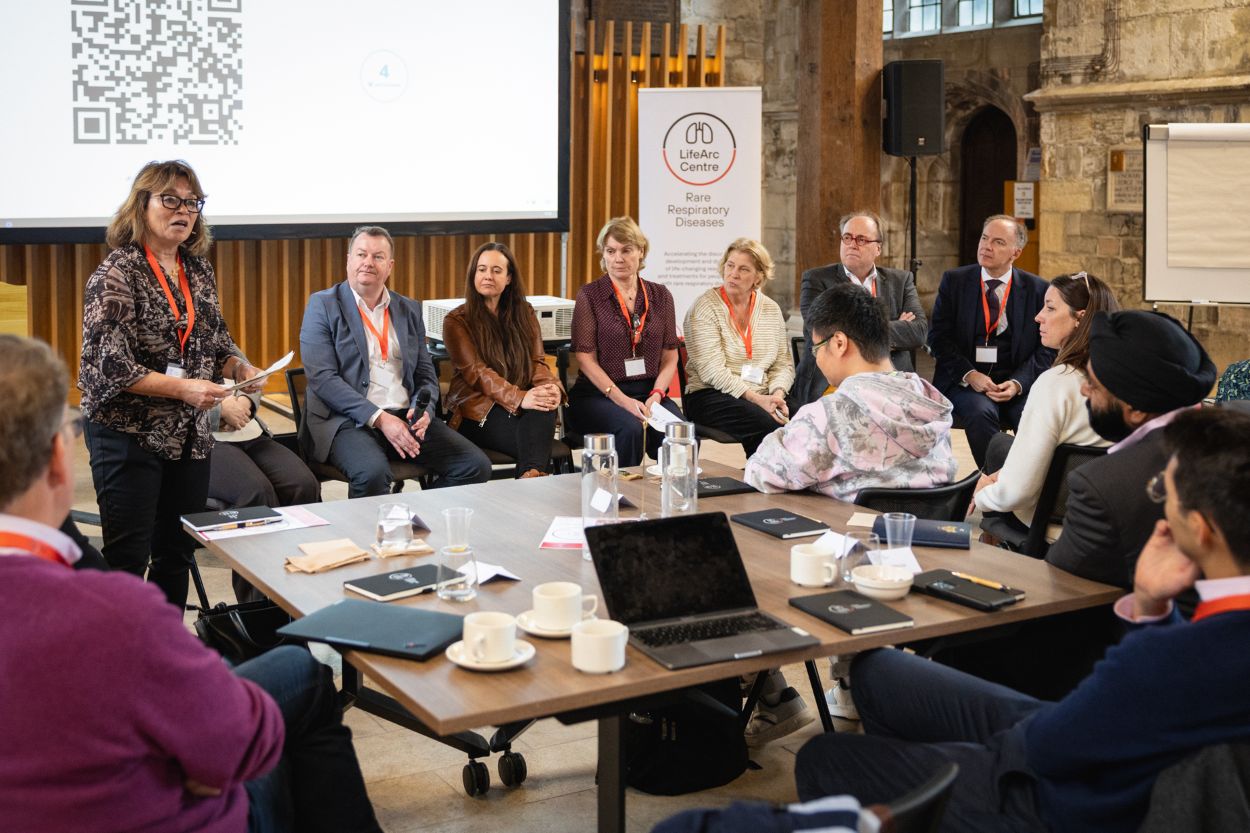
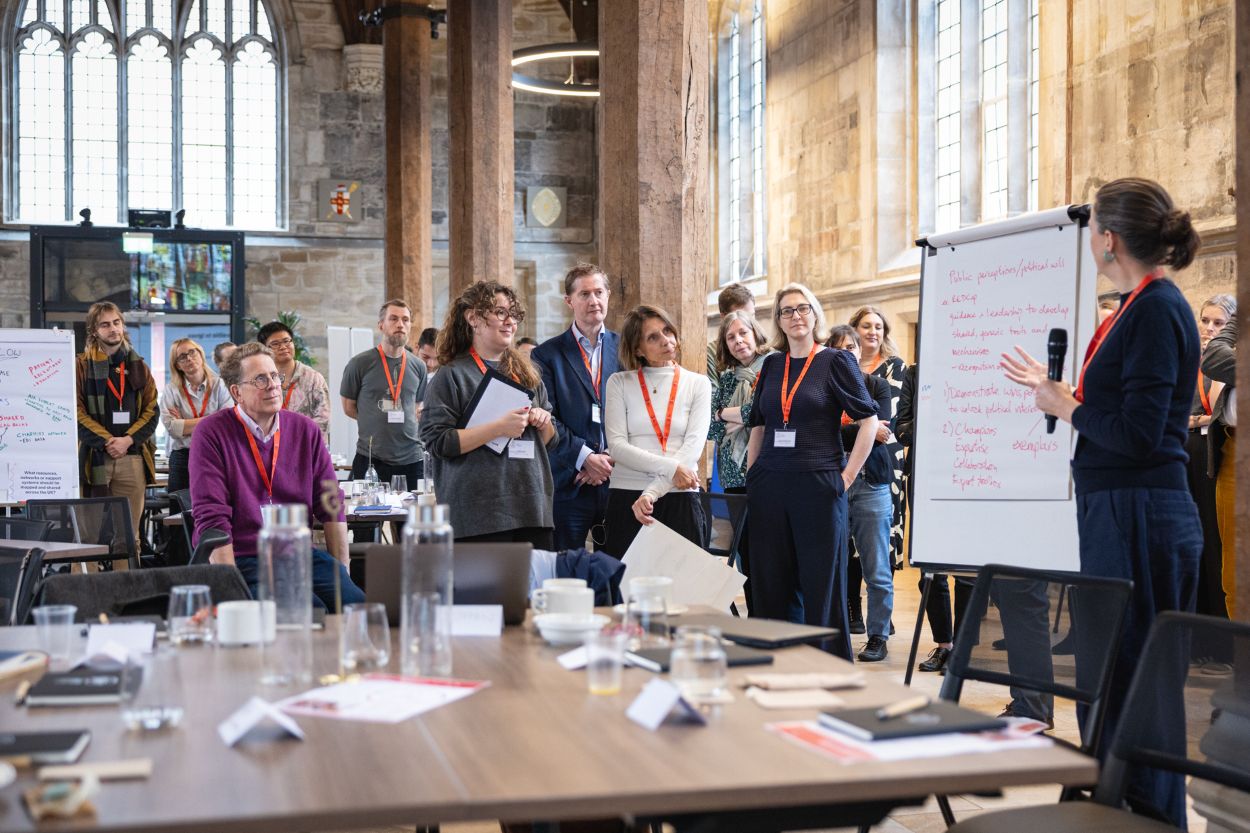
The positive, collaborative atmosphere carried on with an interactive session: ‘Mission Impossible to Ignore’. In small groups, participants brainstormed actions that we could take to improve our reach and impact, change the way we measure and share our success, and transform how the Centre – and rare respiratory diseases – are perceived by the outside world. With staff and partners from across the UK and beyond, and a huge depth and breadth of expertise in the room, the suggestions and ideas were varied, entertaining and enlightening.
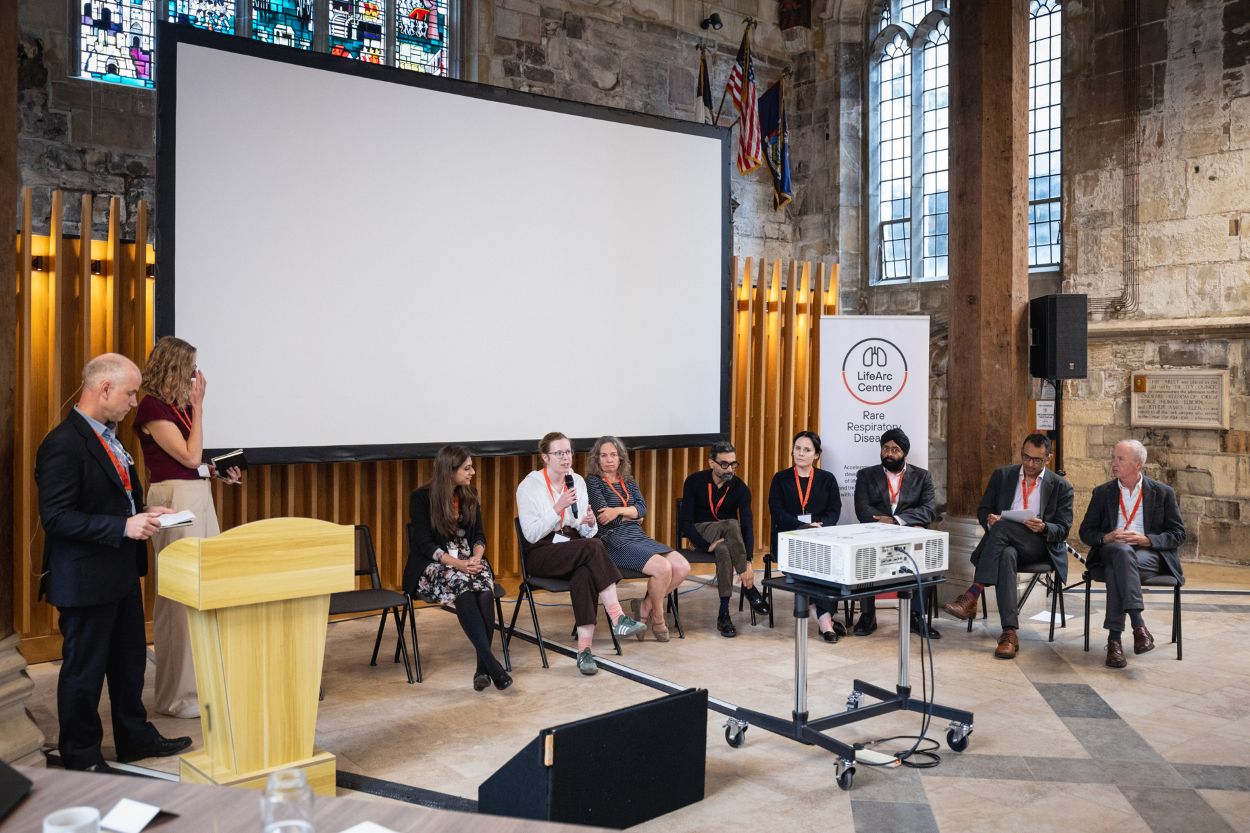
The final panel discussion also looked to the future and focused on the Centre’s long-term sustainability. Panellists highlighted opportunities to create a legacy from our initial five-year funding period and build a powerful case for ongoing funding. Their suggestions included the development of a modular system to leverage learning from our five exemplar diseases to improve diagnosis, treatment and outcomes for all rare respiratory diseases; investment in the next generation of research leaders; a high-profile success, such as a repurposed drug, to demonstrate our relevance and impact; and the creation of resources that the ecosystem cannot afford to lose.
The discussion that followed explored the potential and the complexities of using a spin-out company to navigate the translational pathway and bring therapies to patients; highlighted the potential of in silico research techniques, such as digital twins and synthetic data; and emphasised the need to ensure that the Centre’s expertise and assets are used to maximise patient benefit.
Looking ahead
In her concluding comments, Dr Alessandra Gaeta, Senior Director of the Rare Disease Network at LifeArc, thanked the event organisers and highlighted three major themes that had emerged across the day.
First, the Centre’s bold vision of a connected rare respiratory disease ecosystem and pathway that works at speed to identify potential therapeutic candidates and ensure they are effectively financed through trials and delivery. Alessandra noted this vision is well on the way to becoming a reality and recognised the Centre’s efforts to build transformative capacity at scale.
Second, collaboration, particularly the Centre’s growing international reach and its ability to inspire and build community. Third, the focus on people, from the energy of our young researchers to the strength of our patient partnerships.
Like Alessandra, we ended the day feeling confident and hopeful that, by focusing on the science, the data and the needs and priorities of our patient community, the Centre is on a trajectory to achieve lasting impact and deliver genuine benefit for people living with rare respiratory diseases.
Congratulations
Last but definitely not least, congratulations to the MECRs whose excellent contributions to the event were recognised at our award ceremony:
• Mafalda de Almeida Gomes: Research Communication and Engagement Poster Prize
• Dr Rasmus Hejlesen: Scientific Excellence Poster Prize
• Dr Debbie Clements: Best Research Talk Prize