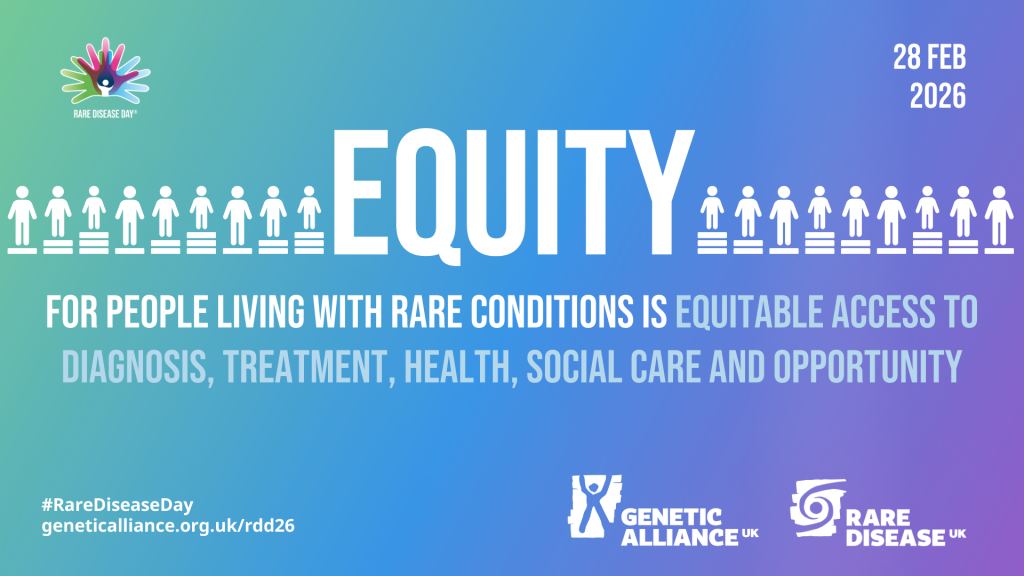
 Equity isn’t about giving everyone the same treatment. It’s about levelling the playing field and making sure everyone gets what they need to thrive. But what does equity look like when it comes to health? And what is the Centre doing to support equity for people who are living with a rare respiratory condition?
 When people talk about inequity, they may think about common areas of discrimination like age, race and sex. But when it comes to health, other forms of inequity can pose real challenges. For example, hospitals and clinics are usually concentrated in large towns and cities, which can make it difficult for people who live in smaller towns or the countryside to access care. Wherever they live, people can struggle with the financial impact of taking time off work to attend clinical appointments, or find it difficult to afford travel costs. The increased focus on online support and digital resources is great for many people, but can make life harder for others.
For people with rare health conditions, there are additional factors at play. A disease is classified as ‘rare’ if it affects fewer than 1 in 2,000 people and some rare diseases only affect a handful of people. As a result, most GPs and clinicians rarely see people with rare diseases and can lack the training and experience to diagnose them quickly. In fact, people with rare respiratory diseases wait an average of 5.6 years to get a diagnosis. Rare diseases also struggle to attract research funding, which means that many rare conditions lack treatment or even effective diagnostic techniques. Being diagnosed with and living with a rare condition is a health inequity in its own right.
Harriet’s story
Inequity caused by rare disease isn’t always visible or easy to measure. In 2019, Harriet was diagnosed with an extremely rare lung disease called Lymphangioleiomyomatosis (LAM). “LAM is so rare that most people, including medical staff in hospitals and A&E, haven’t heard of it,” she explains. “I carry an information card with me, but it always takes time for people understand my situation and work out what it means. It puts them on the back foot and causes delays. I also have to be extremely careful with other treatments, such as vaccines or over-the-counter remedies.”
For Harriet, rare disease is a cause of inequity but also a source of community. “Very few people have LAM, so we do our best to support each other. That sense of belonging and understanding is really valuable and I love the positivity it brings. LAM is also one of the few rare diseases with access to effective treatment: the drug rapamycin is life-changing for people like me and I know how lucky I am to be in fairly good health. Research inequity is a real challenge for rare diseases though: we need more funding to understand why and how these conditions develop and identify better therapies and even cures.”
Equity in the Centre
Our Centre was set up to tackle these barriers and reduce inequity for people living with rare respiratory diseases. We know that slow diagnosis and a lack of treatment options are a key challenge for people living with rare respiratory diseases, so our lab scientists are working to understand the specific genes and mechanisms that cause them. We know that drugs that have been developed and approved for common health conditions might also be useful for rare conditions, so we’re screening them to see if they have potential to help. We know that researchers can struggle to access tissue samples and that patients would like to access clinical trials, so we’re setting up national biobank and registry resources for rare respiratory diseases to make those processes easier. We know that day-to-day communications with healthcare professionals can be an ongoing challenge, so we’re working with clinicians to expand education and improve knowledge of rare respiratory conditions. And because we know, like Harriet, that community is important, we’re bringing researchers, clinicians and patients together to share knowledge, insights and ideas about the path forward.
Towards a fairer future
People who live with a rare condition also live with inequity that can shape every aspect of their daily life. By recognising that different people have different needs, and addressing some of the challenges that create and sustain health inequities, we’re working to improve the lived experience and outcomes of people with rare respiratory diseases and other rare conditions. Whatever equity means to you, we can all agree on the need for equitable access to tailored care, treatments and medicines.
Harriet ran four marathons over four consecutive days between 25 and 28 February 2026 and raised over £7,000 for LAM Action.